
Hantavirus Disinfection and Biohazard Remediation
Effective Hantavirus disinfection requires a sophisticated approach to neutralize airborne pathogens and contaminated surfaces. As a significant public health concern, Hantavirus Pulmonary Syndrome (HPS) demands high-level decontamination protocols that go beyond traditional cleaning methods. SteraMist provides a 6-log microbial reduction, ensuring that facilities exposed to rodent activity are restored to a safe, sterile state.
Understanding the Hantavirus Risk Profile
Hantaviruses are primarily carried by specific rodent species, including the Deer Mouse, White-footed Mouse, and Rice Rat. These animals shed the virus through their biological waste, which can remain infectious in enclosed environments for several days.
The primary danger to humans is aerosolization. This process occurs when dry droppings or nesting materials are disturbed, often during routine cleaning or maintenance, causing microscopic viral particles to become airborne. Once inhaled, these particles can lead to severe respiratory distress. The recent MV Hondius cruise ship outbreak serves as a critical case study, where medical authorities have confirmed the Andes virus strain and are currently monitoring suspected human-to-human transmission among passengers.
Common Exposure Sites:
- Vacant buildings or storage units reopened after winter.
- HVAC systems and ventilation ductwork.
- Agricultural facilities and construction sites.
- Basements and crawl spaces with limited airflow.
Proactive Hantavirus Mitigation Strategies
Effective public health protection begins with a “prevention first” mindset. Reducing the likelihood of rodent intrusion significantly lowers the biological risk within a facility.
- Exclusion Measures: Inspecting the building perimeter for gaps larger than one-quarter inch. Sealing these entry points with durable materials prevents rodents from establishing nests.
- Environmental Hygiene: Storing food in airtight containers and maintaining a clutter-free exterior perimeter removes the primary attractants for disease-carrying rodents.
- Early Detection: Regular inspections of utility rooms and storage areas allow for the identification of rodent activity before a heavy infestation develops.
Hantavirus Decontamination and Remediation
When rodent activity is confirmed, the safety of the remediation process depends on avoiding the creation of airborne dust. Traditional methods like sweeping or vacuuming are replaced with disinfection protocols to ensure viral particles remain neutralized.
Ventilation and Preparation
Opening doors and windows for at least 30 minutes facilitates natural air exchange, which helps dissipate any concentrated airborne particles. Utilizing high-quality personal protective equipment (PPE), including fitted respirators and non-absorbent gloves, provides a necessary layer of physical defense for personnel.
Volumetric Neutralization
The most effective way to address the risk of aerosolized Hantavirus is through volumetric disinfection. Rather than simply treating visible spots, an automated or wide-area misting approach ensures that every surface and the air itself are treated simultaneously. This method provides:
- Total Coverage: Reaching the recessed areas where rodents often hide.
- Rapid Deactivation: Neutralizing the virus on contact to allow for safe physical removal of debris.
- Material Integrity: Ensuring that sensitive equipment and facility surfaces remain undamaged during the process.
The safety of global travel depends on the ability to adapt to emerging biological threats. By moving beyond manual cleaning and adopting ionized Hydrogen Peroxide (iHP) decontamination technology, the maritime industry can ensure a sterile environment even in the most challenging conditions.
Did you know? Multiple Regional Emerging Special Pathogen Treatment Centers (RESPTCs) use SteraMist iHP bio-decontamination for outbreaks.
Elevate your vessel’s biosecurity standards. Contact a specialist today to learn how our automated and handheld decontamination solutions can protect your passengers and crew from viral risks ➔
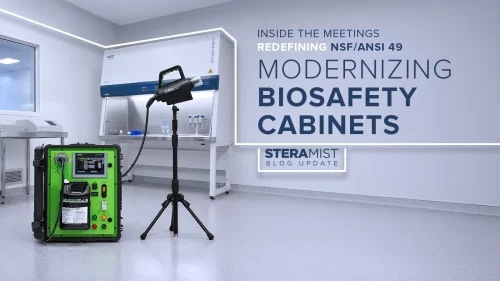
Modernizing Laboratory Biosafety: Why Decontamination Standards Are Getting a Major Upgrade
NSF/ANSI 49 | Biosafety Cabinet Decontamination StandardsIf you work in a laboratory, you know that biosafety cabinets (BSCs) are the unsung heroes of containment. They keep sample integrity intact and keep researchers safe from hazardous biological agents. But when it comes time to clean and decontaminate…
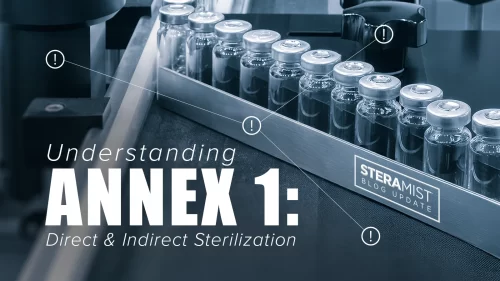
GMP Annex 1 Sterilization of Direct & Indirect Product Contact Parts
GMP Annex 1 and the Sterilization of Direct and Indirect Product Contact Parts: What Manufacturers Need to KnowEU GMP Annex 1, Section 5.5, requires that in aseptic processing, both direct product contact parts (like filling needles and pumps, which the product physically passes through) and…
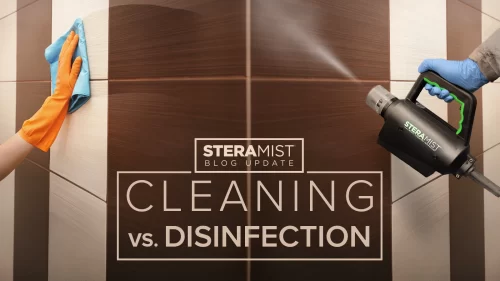
Cleaning vs. Disinfecting: What’s the Difference (And Why It Matters)
Key TakeawayCleaning removes dirt, dust, and some germs from a surface, but it doesn’t reliably kill pathogens. Disinfecting uses antimicrobial chemistry to kill the microorganisms that cleaning leaves behind. A surface can look spotless and still carry infectious pathogens, which is why both steps…