IONIZED HYDROGEN PEROXIDE (iHP®)
iHP® Decontamination Developed by DARPA
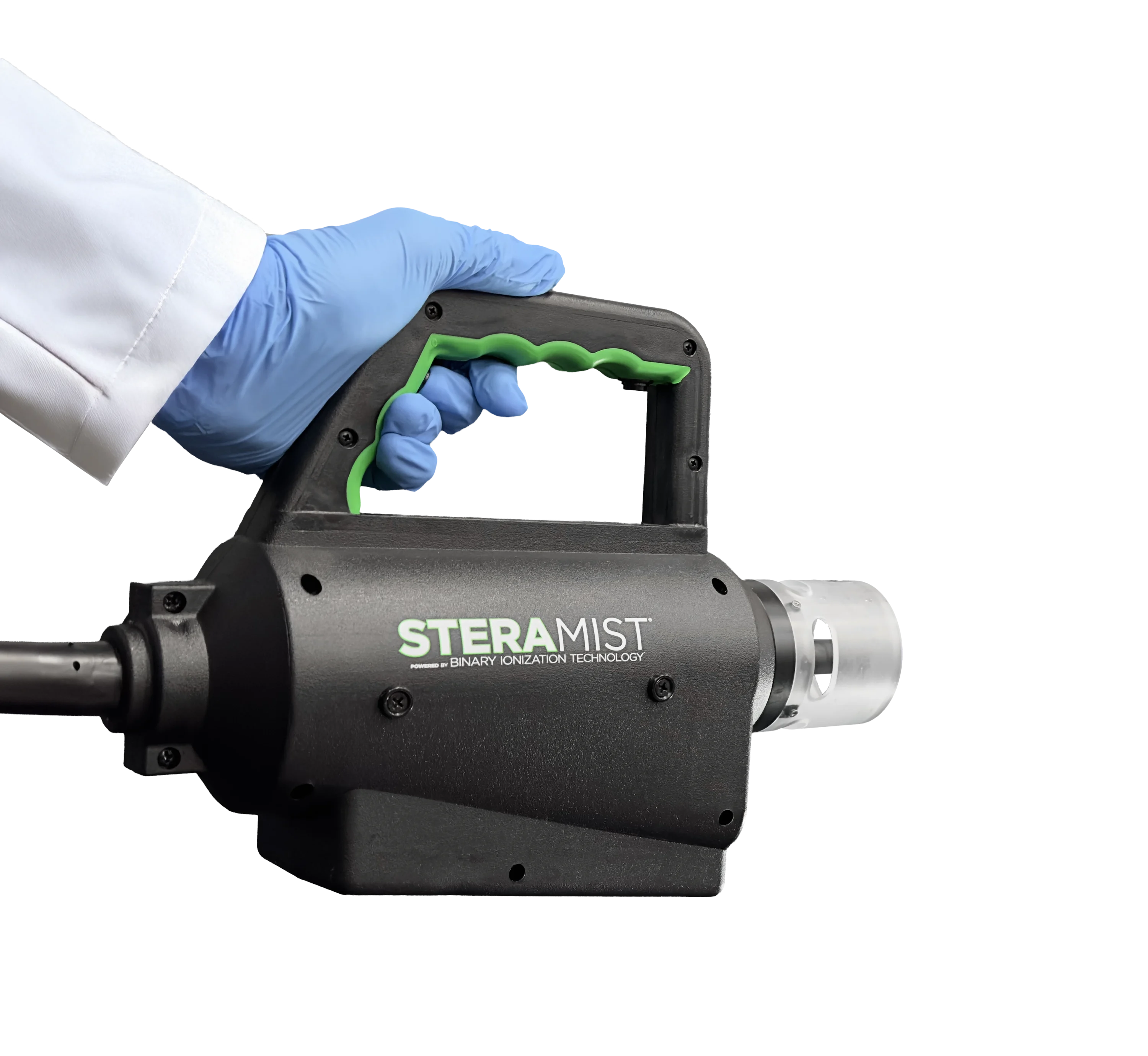
Every SteraMist® product is powered by Binary Ionization Technology (BIT) to deliver ionized Hydrogen Peroxide (iHP).
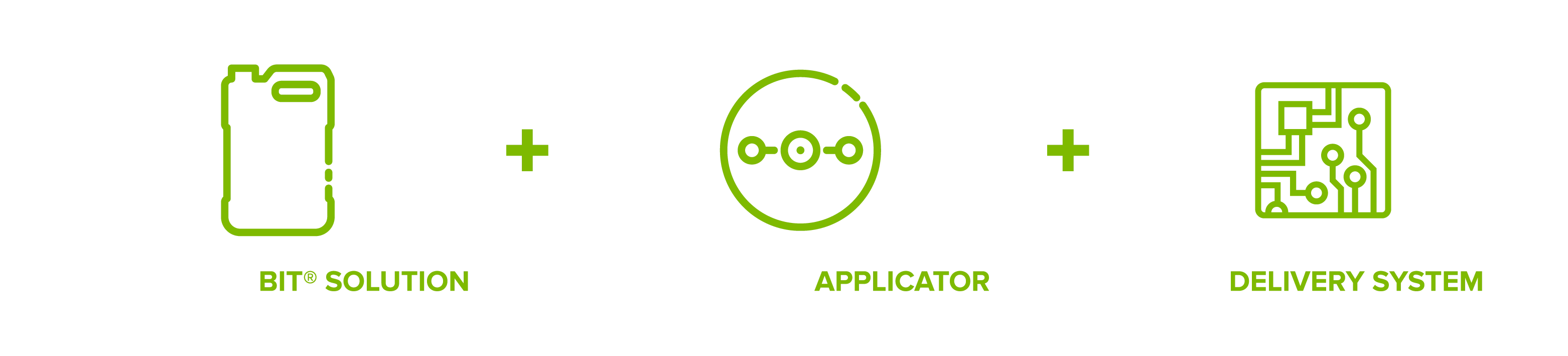
SteraMist iHP is a patented combination of equipment and solution designed to simulate an all-natural scientific process. Whether you spray or fog, SteraMist delivers unmatched performance at every level using simple science and quality components. iHP disinfection and decontamination is made possible by the all-in-one combination of BIT Solution, cold plasma arc, and iHP delivery system.
Our Disinfection & Decontamination Process
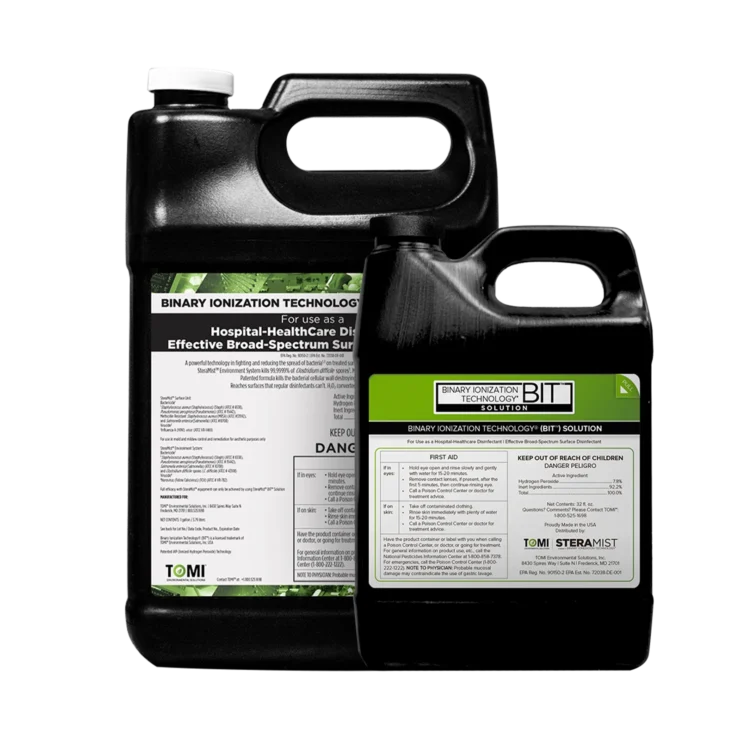
What is BIT® Solution?
Unlike most other hydrogen peroxide-based foggers and disinfectants, ionized Hydrogen Peroxide is made possible by the ionization of low percentage hydrogen peroxide (H2O2) supplied exclusively by SteraMist BIT Solution.
As a ready-to-use broad spectrum hydrogen peroxide mixture with no other active ingredients or stabilizers, BIT Solution is easily shipped, non-hazardous, simple to store with a two-year shelf life, and available in a variety of container size for every application.
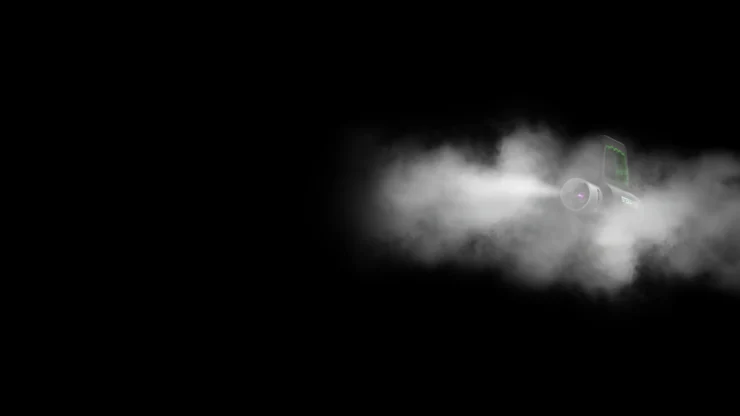
What is Cold Plasma?
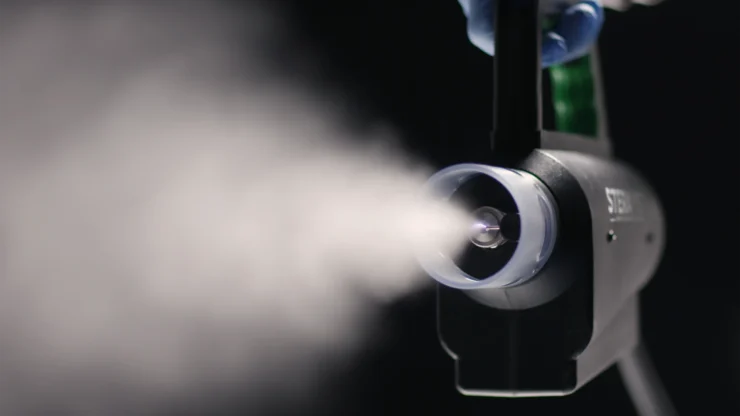
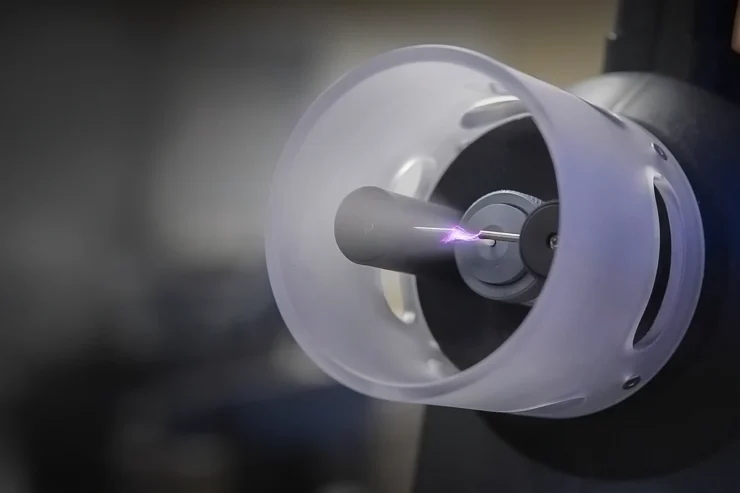
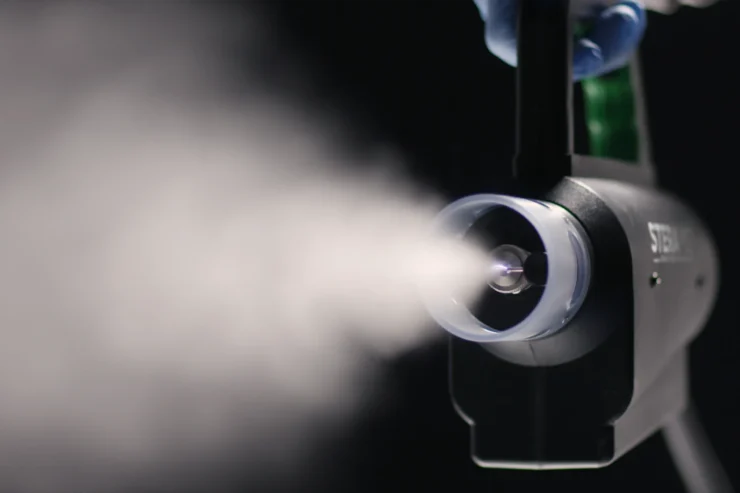
Every SteraMist generator creates iHP disinfection mist at the applicator level. SteraMist applicators send BIT Solution through a nozzle and directly through a cold plasma arc to create reactive oxygen species (ROS). As a result, a charged lightweight dry mist is created, dispersing submicron-sized particles that disinfect hard-to-reach spaces.
This simulates a naturally-occurring process where droplets are charged into a micromist, amplifying low-concentration hydrogen peroxide into one of the most powerful oxidizing agents found in nature: Hydroxyl Radicals.
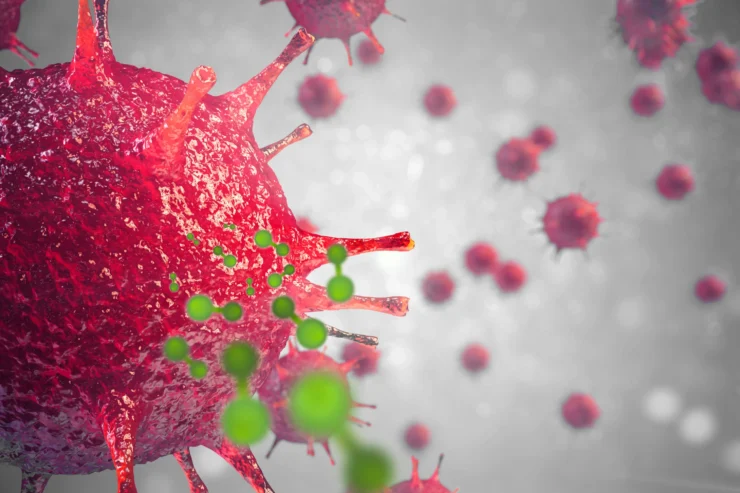
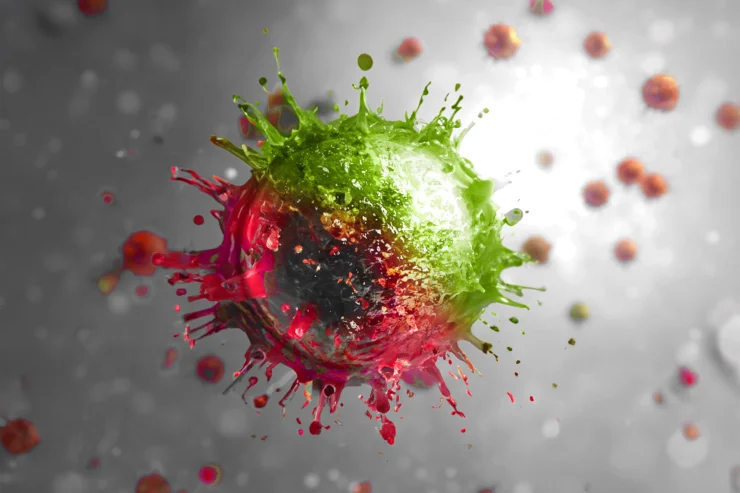
Whether spraying or fogging, iHP inactivates and eliminates viruses, bacteria, fungal spores, mycotoxins, and microorganisms within seconds via the destruction of proteins, carbohydrates, and lipids of dangerous microbes, resulting in cellular disruption and rapid decontamination.
The Legacy of SteraMist® Decontamination
Funded by a grant provided by the U.S. Defense Advanced Research Projects Agency (DARPA), ionized Hydrogen Peroxide was originally researched, invented, and developed as a direct response to weaponized anthrax attacks.
iHP was established into the mainstream to deliver that same power to everyday customers across every industry. SteraMist is the very first EPA-registered combination of both solution and technology, ensuring consistent results with every application. By utilizing a natural disinfection and decontamination process enhanced by cutting-edge cold plasma, SteraMist delivers fast results and superior material compatibility.
Choosing the Best Disinfection
Volume, Not Saturation
Unlike vaporized hydrogen peroxide, iHP relies on filling the volume of a treated area to minimize downtime instead of saturating surfaces with PPM requirements and mandatory wet times.
Consistent Application Every Time
Deliver repeatable applications and results every time as a combination of solution and technology when compared to mix-and-match electrostatic sprayers.
Science Made Simple
With no need for active additives, BIT Solution converts hydrogen peroxide into a gentle dry mist able to navigate any space without corroding electronics or critical equipment.
Do More with Less
Compared to concentrated and quaternary cleaners, BIT Solution is ready-to-use and begins killing on contact to reduce application time and eliminate hazardous chemical use.
What is my Ideal iHP® Delivery System?
View a comprehensive catalog of SteraMist iHP Disinfection and Decontamination Products & Services.
iHP® Science Overview

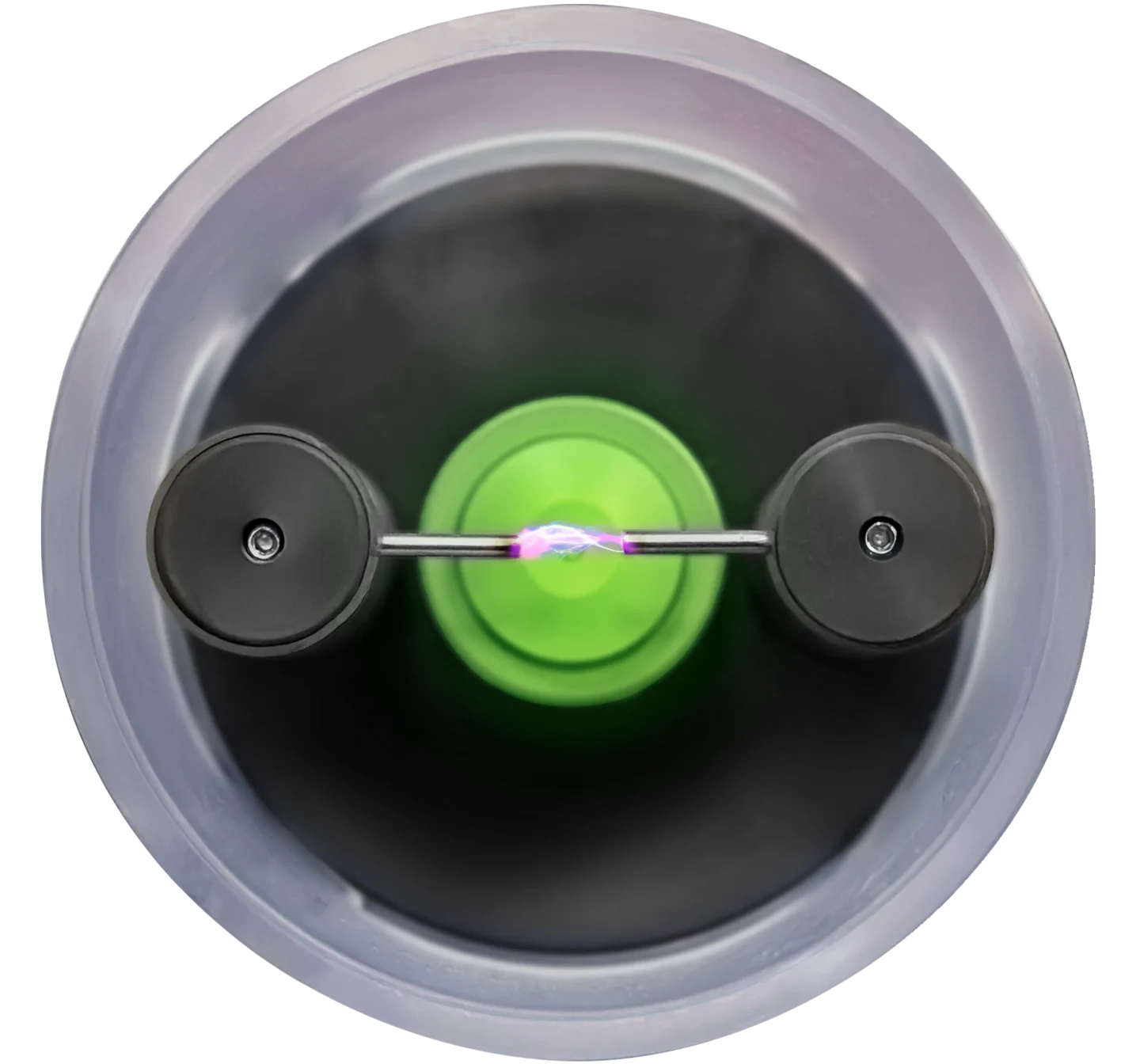
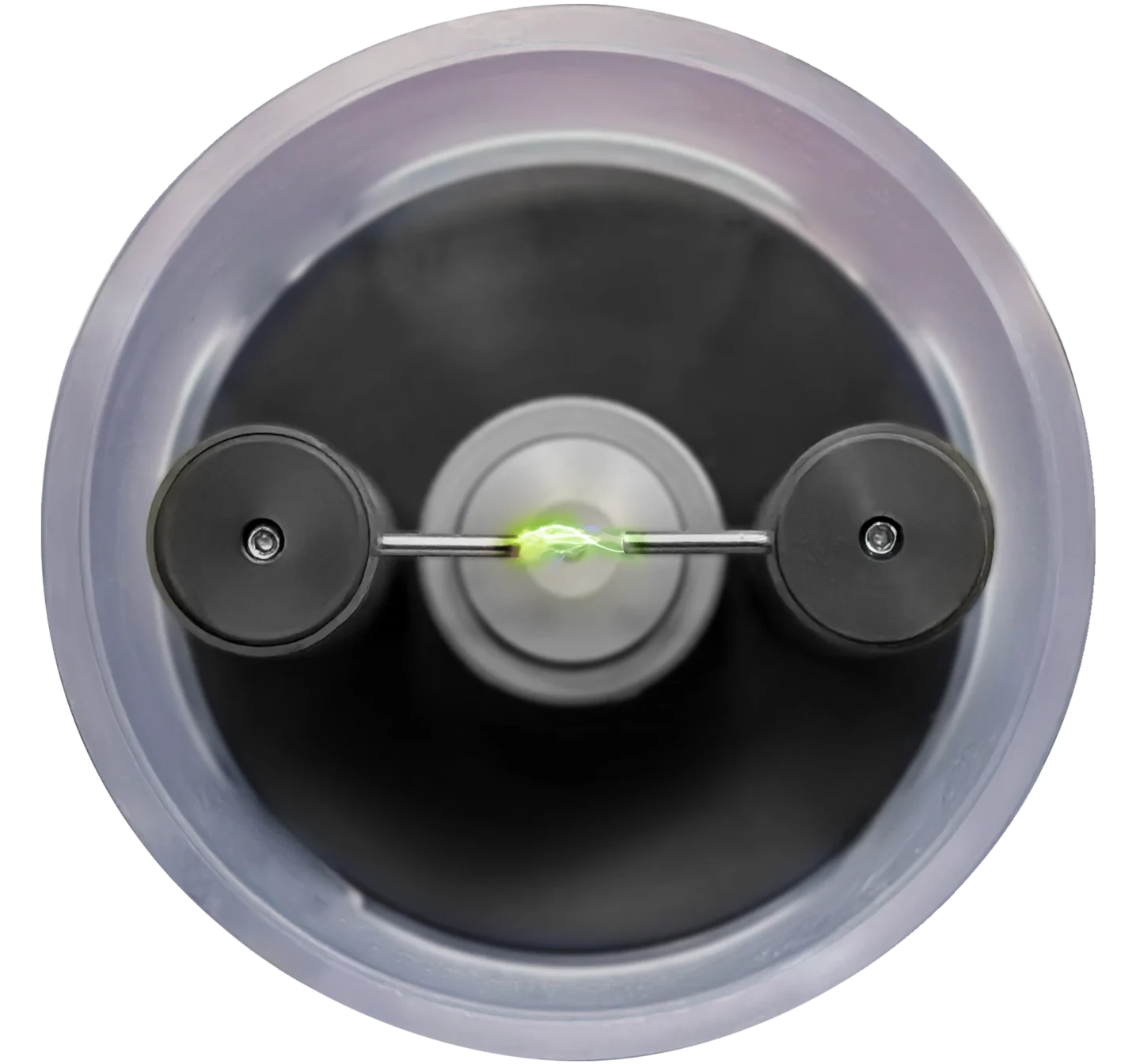
Electrodes
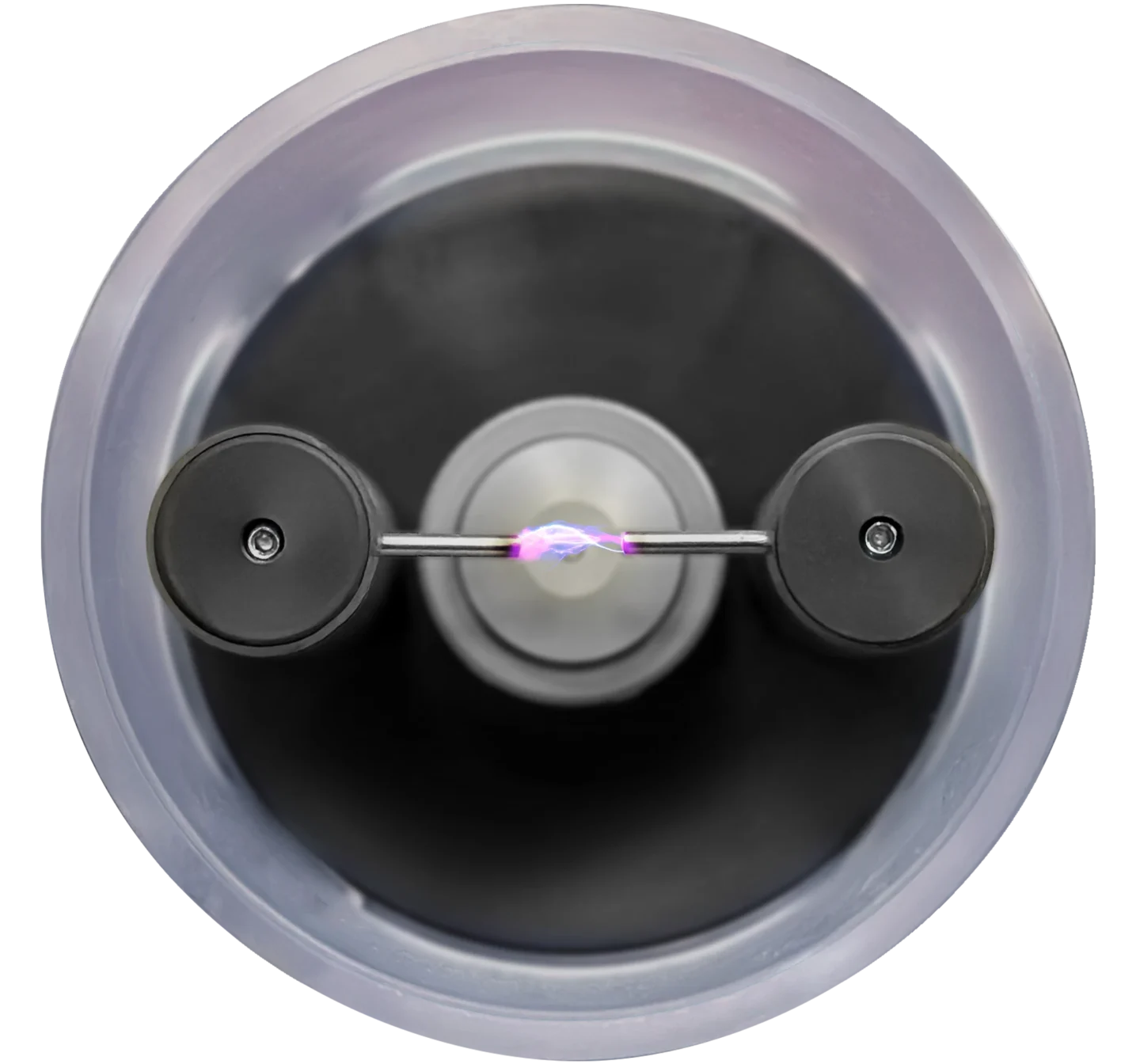
Electrodes are placed directly in front of the nozzle, adjusted to a precise distance apart to facilitate a cold plasma arc of an ideal size and power for BIT Solution to travel through.
Nozzle
The nozzle sprays a narrow stream of hydrogen peroxide at a fixed standard rate, sending it through the cold plasma arc to create a gas-like mist of submicron-sized particles.
Atmospheric Cold Plasma Arc
The cold plasma arc breaks the bonds of hydrogen peroxide, creating hydroxyl radicals that begin killing on contact with 360° coverage.

“We conducted a successful room disinfection study* in accordance with [pharmaceutical] cGMP specifications. [SteraMist] impressed with its robustness and standardized application.”
*Materials evaluated: Glass, Glass Reinforced Plastic (GRP), Arcoplast, Grade 316 Stainless Steel, High-Pressure Laminate (HPL), Mipolam BioControl EL5
Microbes evaluated: Escherichia coli, Staphylococcus aureus, Aspergillus brasiliensis, Candida albicans, Pseudomonas aeruginosa, Bacillus subtilis
FAQ | SteraMist ionized Hydrogen Peroxide – iHP Decontamination
What is SteraMist iHP decontamination technology?
SteraMist is a patented decontamination technology that utilizes ionized Hydrogen Peroxide (iHP). The process begins with a low-concentration hydrogen peroxide BIT Solution that passes through a cold plasma arc. This atmospheric ionization creates a submicron-sized dry mist containing reactive oxygen species, specifically hydroxyl radicals, which are among the most powerful oxidizing agents in nature.
How does ionized Hydrogen Peroxide (iHP) differ from traditional hydrogen peroxide vapor?
Unlike vaporized hydrogen peroxide which often requires high concentrations and surface saturation to be effective, iHP relies on atmospheric ionization. This creates a lightweight mist that moves like a gas, filling the entire volume of a room. This allows for faster treatment times and superior material compatibility, as it does not leave surfaces wet or saturated.
Is SteraMist safe for sensitive electronics and laboratory equipment?
Yes. Because iHP is a dry mist that does not require active additives or high-concentration chemicals, it is highly compatible with sensitive equipment. It can navigate complex environments, such as research laboratories and pharmaceutical facilities, without corroding electronics or critical infrastructure.
What pathogens can SteraMist eliminate?
SteraMist is an EPA-registered hospital-grade disinfectant proven to eliminate a broad spectrum of microorganisms. It effectively inactivates and eliminates bacteria, viruses, fungal spores, and mycotoxins. The technology works by disrupting the proteins, carbohydrates, and lipids of microbes on a cellular level.
What was the origin of SteraMist iHP decontamination technology?
The technology was originally developed through a grant from the U.S. Defense Advanced Research Projects Agency (DARPA). It was engineered as a high-level response to biological threats, specifically weaponized anthrax, before being adapted for commercial use in healthcare, life sciences, and food safety sectors.
How often should validated decontamination services be performed?
Service frequency depends on the specific requirements of the facility and the industry standards involved. For many high-stakes environments, such as regenerative medicine or pharmaceutical manufacturing, validated decontamination services are often performed on a quarterly basis to ensure consistent compliance and biosecurity. Decontamination fogging service is available with validation and qualification packages.
Does SteraMist leave any residue or odors after application?
SteraMist iHP breaks down into oxygen and humidity upon contact, leaving no harmful residues or lingering odors. This allows for rapid re-entry into treated spaces, making it an ideal solution for high-traffic areas and facilities that cannot afford long periods of downtime.
FAQ | General Disinfection
What is the difference between cleaning, sanitizing, and disinfecting?
While often used interchangeably, these terms represent distinct levels of microbial control. Cleaning involves the physical removal of dirt and organic matter from surfaces. Sanitizing reduces the number of bacteria to levels deemed safe by public health standards. Disinfecting, however, is a more rigorous process that uses specific chemical or physical agents to kill or irreversibly inactivate nearly all pathogenic microorganisms, including viruses and fungi.
What is “high-level disinfection” in a professional or clinical setting?
High-level disinfection refers to a process capable of killing all vegetative microorganisms and most bacterial spores. This level of efficacy is critical in environments where the risk of infection transmission is high, such as in pharmaceutical compounding, surgical suites, or high-density food production facilities. It typically involves specialized equipment and EPA-registered chemistries that ensure a 6-log reduction (1,000,000 to 1) of pathogens.
How do pathogens develop resistance to traditional disinfectants?
Pathogen resistance often occurs when sub-lethal doses of a disinfectant are applied, allowing surviving microbes to adapt. Additionally, many microorganisms form biofilms (slimy, protective layers) that shield them from standard liquid chemicals. Modern biosecurity strategies prioritize technologies that utilize mechanical or oxidative destruction, such as reactive oxygen species, which physically breach the cell wall and prevent the development of resistance.
Why is “dwell time” important in the disinfection process?
Dwell time, or contact time, is the amount of time a disinfectant must remain wet on a surface to effectively eliminate the targeted pathogens. If a disinfectant evaporates or is wiped away too quickly, it may fail to achieve its listed efficacy. One of the primary advantages of advanced misting and fogging technologies is their ability to maintain necessary contact without leaving behind excessive moisture or damaging residues.
How does atmospheric disinfection improve facility safety over manual wiping?
Manual cleaning is inherently limited by human error and the inability to reach complex geometries, such as the undersides of tables or the interior of ventilation systems. Atmospheric disinfection, utilizing mists, gases or hydrogen peroxide fogger machines, ensures that the disinfecting agent reaches every cubic inch of a space. This “volume-based” approach is essential for true biosecurity, especially when dealing with airborne pathogens or large-scale contamination.
Ready to Bring iHP Technology to Your Space?
Now that you know how ionized Hydrogen Peroxide works, tell us about your facility, and we’ll help you find the right SteraMist system to put the science to work.