
Clearing the Storm: Water Damage Remediation and Disinfection After Flooding
How SteraMist ionized hydrogen peroxide (iHP) helps restoration professionals make flooded properties safe to reoccupy.
Water damage remediation after a hurricane, nor’easter or other major storm is the process of removing floodwater, damaged materials and moisture from a building, then disinfecting what remains so it is safe to reoccupy. Because storm floodwater can carry sewage, bacteria and viruses, and because wet buildings quickly become breeding grounds for mold, disinfection is a critical step, not an optional one.
This guide explains the hidden dangers floodwater leaves behind, why traditional cleaning often falls short, and how restoration professionals use SteraMist iHP decontamination technology as part of a complete remediation protocol.
What Makes Storm Floodwater So Dangerous?
Storm floodwater, whether from hurricane storm surge, nor’easter coastal flooding, or overflowing rivers, is considered Category 3 (“black”) water under the IICRC S500 restoration standard, meaning it should be treated as grossly contaminated. It can carry sewage, bacteria, viruses, chemicals and decaying organic matter into every space it reaches.
The danger does not end when the water recedes. Natural disasters expose people to toxic gases, bacterial illness, and other serious hazards, and extended flooding creates ideal conditions for indoor mold growth, raising concerns about indoor air quality and the health effects of mold exposure.
When water sits in a structure for extended periods, harmful microorganisms flourish. Mold can begin to grow on wet materials within 24 to 48 hours, which is why speed matters in every stage of flood recovery.
Why Isn’t Traditional Cleaning Enough After a Flood?
Traditional cleaning removes visible dirt and debris, but it often cannot reach every contaminated surface in a flooded building. After major storms and hurricanes, restoration teams face four challenges that make surface cleaning alone insufficient:
- Complex contamination patterns: Floodwater doesn’t just wet surfaces, it infiltrates wall cavities, subflooring, HVAC systems and other hidden spaces where bacteria and mold can establish colonies away from direct treatment.
- Time pressure: Occupants should avoid areas with obvious mold contamination to limit exposure, so fast, thorough disinfection is essential to allow safe re-entry.
- Diverse microbial threats: Storm water mixes contaminants from sewage systems, industrial sites and decomposing organic matter, requiring broad-spectrum antimicrobial treatment.
- Porous materials: Drywall, insulation, carpet and other porous materials absorb contaminated water and generally need to be removed. The structure and hard surfaces left behind still need to be disinfected before rebuilding begins.
What Is SteraMist and How Does iHP Work?
SteraMist is an EPA-registered broad-spectrum disinfection and decontamination technology. It uses Binary Ionization Technology (BIT) to convert a low-concentration (7.8%) hydrogen peroxide solution into ionized hydrogen peroxide (iHP), a fine, dry mist that reaches surfaces throughout a treated space.
As the solution passes through a cold plasma arc, it produces hydroxyl radicals, highly reactive molecules that destroy harmful microorganisms on contact. Unlike a conventional hydrogen peroxide fogger machine, mold fogger or electrostatic sprayer that simply disperses liquid, SteraMist activates the solution to create a mist that behaves more like a gas, helping it reach complex, hard-to-access areas. After treatment, iHP breaks down into oxygen and humidity. Explore SteraMist disinfection systems for restoration and remediation.
Where Does Disinfection Fit in the Water Damage Restoration Process?
Disinfection should happen after debris removal, water extraction and initial cleaning, and before final drying and clearance. Disinfectants and sanitizers work best on surfaces that are already clean, so SteraMist is most effective as one step in a complete restoration protocol.
A typical post-storm restoration protocol incorporating SteraMist includes:
- Emergency water extraction: Removing standing water and moisture to prevent further damage
- Debris and material removal: Clearing damaged, contaminated contents and saturated porous materials
- Initial cleaning: Removing visible dirt, sediment and organic matter
- SteraMist disinfection: Applying ionized hydrogen peroxide to eliminate remaining microorganisms on treated surfaces
- Structural drying: Ensuring complete moisture removal to prevent future microbial growth
- Final inspection and clearance: Confirming successful remediation before reoccupation
For restoration contractors building out their mold remediation equipment and disinfection capabilities, SteraMist systems are designed to integrate into this workflow. For restoration contractors building out their mold remediation equipment and disinfection capabilities, SteraMist systems are designed to integrate into this workflow.
Why Should Trained Professionals Handle Post-Storm Disinfection?
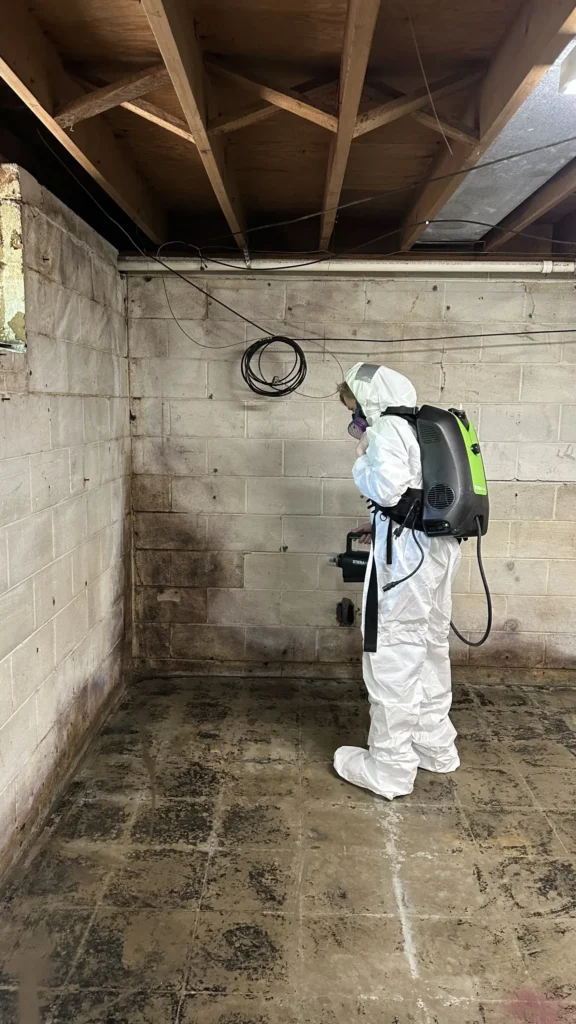
Professional application ensures disinfection is thorough, properly documented and coordinated with the rest of the restoration job. The SteraMist service provider network includes certified restoration and decontamination companies across multiple states, so property owners can access technicians who understand both the technology and proper safety protocols.
Trained technicians adjust application based on the level of contamination, environmental conditions and the types of surfaces being treated. For property owners and managers, that means fewer unknowns when it’s time to reopen.
How Is Disaster Recovery Changing?
As extreme weather events become more frequent and intense, effective disinfection is becoming a standard part of disaster recovery rather than an add-on. Disinfection technology like SteraMist helps communities recover more quickly and safely from hurricanes, nor’easters, floods and severe storms.
Its effectiveness against a wide range of microbes, rapid application and breakdown into oxygen and humidity make it a valuable tool for restoration professionals. As more restoration companies adopt advanced technology, property owners can have greater confidence that their homes and businesses are truly safe for reoccupation after storm damage.
Frequently Asked Questions About Water Damage Remediation
What category of water is hurricane or nor’easter floodwater?
Floodwater from hurricanes, storm surge and overflowing rivers is Category 3 (“black”) water under the IICRC S500 standard. It is considered grossly contaminated and may contain sewage, bacteria, viruses and chemicals, so affected areas require professional cleaning, material removal and disinfection.
How soon should a flooded building be disinfected?
As soon as water has been extracted and debris and initial cleaning are complete. Mold can begin growing on wet materials within 24 to 48 hours, so extraction, cleaning, disinfection and drying should move quickly and in the right order.
Can porous materials like drywall be disinfected after a flood?
Porous materials soaked by Category 3 floodwater, such as drywall, insulation and carpet, are generally removed rather than saved. Disinfection is then applied to the remaining structure and hard surfaces before drying and rebuilding.
Is SteraMist EPA-registered?
Yes. SteraMist BIT Solution is an EPA-registered disinfectant. Always follow the product label for approved uses, surfaces and application instructions.
How do I schedule a decontamination service after storm damage?
Contact a certified SteraMist service provider in your area. Providers can assess the property, coordinate with your restoration contractor, and schedule decontamination service as part of the recovery plan.
Get Help With Post-Storm Disinfection
Whether you are a restoration contractor adding disinfection to your services or a property owner recovering from storm damage, SteraMist can help. Find a certified SteraMist service provider or contact our team to learn how iHP fits into your water damage remediation plan.